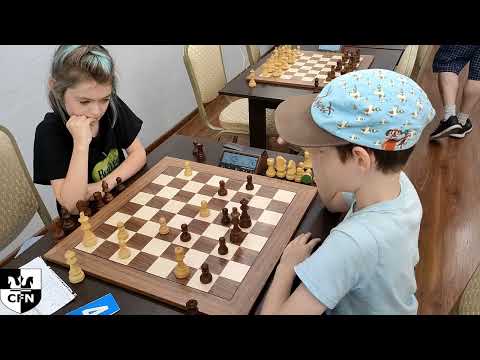
Train at Chess960 with Adaptive Practice
What Is Chess960 and Why Adaptive Practice Matters
Chess960, also known as Fischer Random Chess, shuffles the back‑rank pieces into one of 960 possible starting positions. The result is a game that tests pure strategic thinking instead of memorized opening theory. For players in the United States who want to sharpen their calculation skills, training at Chess960 provides a fresh challenge every session.
Adaptive practice adds a layer of personalization. Instead of using a static set of puzzles, the system monitors your performance and automatically adjusts difficulty, focus areas, and time controls. This dynamic feedback loop helps you spend more time on weak spots while reinforcing strengths, making every training minute count.
How Adaptive Practice Works
Most adaptive platforms rely on algorithms that track three core metrics: accuracy, speed, and pattern recognition. When you solve a position correctly, the next challenge may be slightly harder or explore a related motif. If you miss a move, the system presents additional puzzles that target the same tactical theme until you demonstrate improvement.
The process feels like a personal coach that knows when to push you and when to hold back. Because Chess960 eliminates familiar opening patterns, the algorithm focuses on middle‑game and end‑game structures, which are the areas where adaptive practice delivers the greatest learning boost.
Key Features to Look For
When evaluating a tool that lets you train at Chess960 with adaptive practice, keep an eye on the following features:
- Dynamic Difficulty Scaling: Real‑time adjustments based on your success rate.
- Position Library: Thousands of randomly generated Chess960 positions covering all phases of the game.
- Performance Dashboard: Visual charts that show progress over days, weeks, and months.
- Customizable Sessions: Ability to set time limits, puzzle counts, and focus themes.
- Cross‑Device Sync: Continue a training session on a phone, tablet, or desktop without losing data.
Benefits for Different Skill Levels
Beginners gain exposure to a wide variety of piece configurations, forcing them to understand basic principles like king safety and piece activity without relying on memorized openings.
Intermediate players benefit from targeted drills that highlight common tactical motifs that appear across many Chess960 setups, such as forced forks, discovered attacks, and pawn breaks.
Advanced competitors use adaptive practice to fine‑tune calculation depth, explore rare end‑game scenarios, and experiment with novel strategic ideas that can give them an edge in tournament play.
Pricing Models and Value Assessment
Most services offer a tiered subscription model. Below is a typical comparison that illustrates what you receive at each level.
| Tier | Monthly Cost (USD) | Key Inclusions | Best For |
|---|---|---|---|
| Basic | $5 | Access to 500+ Chess960 puzzles, basic adaptive engine, web only | Casual players testing the concept |
| Pro | $12 | Unlimited puzzle library, advanced analytics dashboard, mobile app, priority support | Serious hobbyists and club players |
| Elite | $20 | All Pro features + custom training plans, API integration for chess clubs, weekly coaching webinars | Coaches, tournament aspirants, schools |
When comparing pricing, consider how often you plan to train, whether you need mobile access, and if you value detailed analytics. A modest monthly fee often pays for itself in faster skill acquisition.
Setup and Integration Steps
Getting started with adaptive Chess960 practice is straightforward. Follow these steps to ensure a smooth onboarding experience:
- Sign up for an account on the platform’s website.
- Download the mobile application (if available) and log in with the same credentials.
- Complete the initial assessment – a short set of puzzles that establishes your baseline.
- Configure your first training session: choose session length, focus area, and desired difficulty range.
- Begin the adaptive workout and monitor the performance dashboard after each session.
Integration with existing chess tools (such as Lichess or Chess.com) is often optional but can be useful for importing game histories that the adaptive engine can analyze for further personalization.
Support, Reliability, and Security
Reliable platforms provide 24/7 ticket support, a knowledge base, and community forums where users share tips. Look for a service that guarantees data backup and encryption, especially if you store personal game collections.
Security features to verify include two‑factor authentication, GDPR‑compliant data handling (even for U.S. users), and transparent privacy policies. A responsive support team can help troubleshoot any issues with the adaptive algorithm or synchronization across devices.
Real‑World Use Cases
School Chess Programs: Teachers use adaptive practice to give each student a personalized learning path, ensuring that stronger players stay challenged while newcomers receive foundational drills.
Online Clubs: Club managers integrate the platform’s API to track member progress, schedule group training weeks, and award badges based on milestones.
Individual Coaching: Coaches assign adaptive homework that aligns with the topics covered in their lessons, allowing them to focus on higher‑level concepts during live sessions.
Decision Checklist
Before committing to a subscription, run through this quick checklist:
- Does the platform offer a robust adaptive engine that adjusts to my performance?
- Are the pricing tiers transparent and aligned with my training frequency?
- Is mobile access available for on‑the‑go practice?
- Does the service provide a clear performance dashboard and analytics?
- Is there reliable customer support and solid security measures?
If you answered “yes” to most of these questions, you are likely ready to start training at Chess960 with adaptive practice. For a proven solution that meets these criteria, consider exploring the Chess960 app by CH960 and see how its adaptive features fit your improvement plan.